






Radon protection for new domestic extensions and conservatories with solid concrete ground floors (GG 73 revised)
BRE (Building Research Establishment) is an independent, research-based consultancy, testing and training organisation, operating in the built environment and associated industries.
Radon protection for new domestic extensions and conservatories with solid concrete ground floors (GG 73 revised) was written by Chris Scivyer and published by BRE on 13 January 2015.
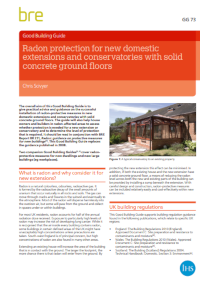
It replaces guidance published in 2008 and should be read in conjunction with BRE Report BR 211, Radon: guidance on protective measures for new buildings. Two companion Good Building Guides cover radon-protective measures for new dwellings and new large buildings such as workplaces.
Radon is a natural, colourless, odourless, radioactive gas formed by the radioactive decay of small amounts of uranium that occur naturally in all rocks and soils. It can move through cracks and fissures in the subsoil and eventually to the atmosphere. Most of this radon will disperse harmlessly into the outdoor air, but some will collect in spaces under or within buildings.
This 8-page Good Building Guide gives practical advice about the installation of radon-protective measures in new domestic extensions and conservatories with solid concrete ground floors. It will also help house owners and builders in radon-affected areas assess whether protection is needed for a new extension or conservatory and determine the level of protection that is required.
The contents of the guide are:
- What is radon and why consider it for new extensions?
- UK building regulations.
- Determining whether radon protection is needed.
- Protective measures-Basic radon protection.
- Radon barriers.
- High water table.
- Fill and blinding.
- Maintaining ventilation to existing suspended ground floors.
- Subfloor depressurisation and sumps.
- References.
- Further reading.
[edit] Find out more.
[edit] Related articles on Designing Buildings Wiki
- BRE articles on Designing Buildings Wiki.
- BRE Buzz articles on Designing Buildings Wiki.
- BRE Buzz.
- BREEAM.
- Building Research Establishment.
- Contaminated land.
- Cover systems for land regeneration - thickness of cover systems for contaminated land (BR465).
- Ground conditions.
- Methane and other gasses from the ground.
- Radon.
- Radon: Guidance on protective measures for new buildings BR 211.
- Radon protection for new dwellings GG 74.
- Radon protection for new large buildings GG 75.
- Radon solutions in older homes GR 38.
- Site appraisal.
- Site investigation.
- Soil survey.
- Solid and liquid contaminants risk assessments.
Featured articles
Check out some of the best features and news from Designing Buildings as well as key stories from around the web.
Listed structures on the rail network
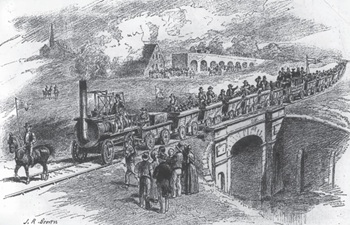
Heritage interests and operational requirements must be balanced.
Historic England publishes research into embodied carbon when retrofitting traditional buildings.

New Prime Minister delivers on ECA call for cut in electricity costs.

CIOB reacts to the announcement of Andy Burnham as Prime Minister.

Heritage and conservation science workforce survey - Have your say.
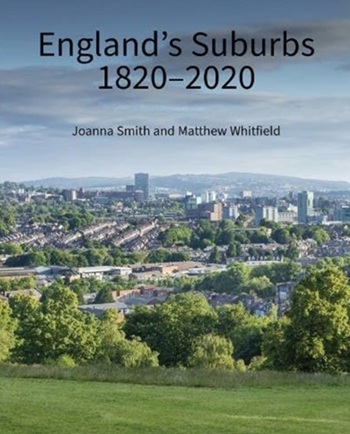
England's Suburbs 1820-2020. Book review.

New, more proportionate and targeted approach for higher-risk building assessments.
Government brings British Steel into public ownership.

UKCW Birmingham returns with bold new theme and focus.

New guidance published on competence requirements for self-certification schemes.
Construction Management, 8 July
NEETs crisis drives interest in trades, but apprenticeships barriers remain.
Passive fire protection webinar
MEP services penetration seals.